



2025-11-23 04:01:10
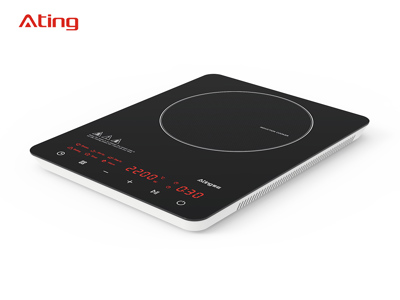
В современном мире ресторанного бизнеса и кулинарии инновации играют ключевую роль в обеспечении успеха и конкурентоспособности. Одной из таких инноваций, кардинально меняющей подход к приготовлению пищи, является коммерческая индукционная плита. Это не просто устройство для нагрева, а настоящий прорыв, который переопределяет стандарты эффективности, безопасности и экономии. В этой статье мы подробно рассмотрим, почему индукционные плиты становятся незаменимым инструментом для бизнеса, как они эволюционировали и какие преимущества они предлагают по сравнению с традиционными газовыми или электрическими аналогами.
Индукционная технология основана на принципе электромагнитной индукции, открытом Майклом Фарадеем еще в XIX веке. Однако ее коммерческое применение в кулинарии начало активно развиваться лишь в последние десятилетия. В отличие от газовых плит, которые используют открытое пламя, или электрических, которые нагревают спираль, индукционные плиты генерируют магнитное поле, которое напрямую нагревает дно посуды. Это делает процесс более эффективным и контролируемым.
Коммерческие индукционные плиты специально разработаны для интенсивного использования в ресторанах, кафе, отелях и других предприятиях общественного питания. Они обладают повышенной мощностью, долговечностью и функциональностью, что позволяет шеф-поварам творить кулинарные шедевры с невероятной точностью. Революция, которую они приносят, заключается не только в технических улучшениях, но и в трансформации бизнес-моделей: снижении операционных затрат, улучшении условий труда и повышении экологической устойчивости.
Чтобы fully appreciate the impact of induction technology, it's essential to understand the evolution of cooking equipment. For centuries, humans relied on open fires, then progressed to wood-burning stoves, gas ranges in the 19th century, and electric coils in the 20th. Each advancement brought improvements in convenience and control, but also had limitations. Gas stoves, for instance, are efficient but pose risks of fires and gas leaks, while electric stoves are safer but slower and less energy-efficient.
The first induction cooktops emerged in the 1970s, primarily for domestic use. However, it wasn't until the 2000s that commercial models gained traction, thanks to advancements in semiconductor technology and materials science. Today, they are a staple in high-end kitchens worldwide, driven by the global push for sustainability and efficiency. The COVID-19 pandemic further accelerated adoption, as businesses sought ways to reduce costs and adapt to new health protocols, making induction cooktops a symbol of resilience and innovation.
Одним из главных преимуществ индукционных плит является их энергоэффективность. Они преобразуют до 90% энергии в heat, compared to 40-55% for gas and 65-70% for electric stoves. This translates to significant savings on utility bills, especially in high-volume kitchens where energy consumption is a major expense. For a medium-sized restaurant, switching to induction can reduce energy costs by up to 50%, according to industry studies.
Безопасность — another critical factor. Induction cooktops only heat the cookware, not the surface, reducing the risk of burns and fires. They also cool down quickly once turned off, minimizing accidents. This is particularly important in busy commercial environments where staff movement is constant. Additionally, they produce no open flames or harmful emissions, improving air quality and complying with strict health regulations.
Точность и контроль are unparalleled. Induction cooktops offer instant heat adjustment, allowing chefs to achieve precise temperatures for delicate tasks like melting chocolate or searing meat. Many models feature digital controls, timers, and preset programs, streamlining operations and reducing human error. This level of control enhances food quality and consistency, which is vital for customer satisfaction and reputation.
Долговечность и простота обслуживания make induction cooktops a wise investment. They have fewer moving parts than gas stoves and are less prone to wear and tear. The smooth glass-ceramic surface is easy to clean, reducing downtime for cleaning and maintenance. Most commercial units are built to withstand heavy use, with warranties that reflect their robustness.
Переход на индукционные плиты может существенно повлиять на profitability ресторана. Initial investment might be higher than for traditional stoves, but the long-term savings are compelling. For example, a study by the National Restaurant Association found that restaurants using induction technology save an average of $5,000 annually on energy costs alone. When combined with reduced maintenance and insurance premiums (due to improved safety), the return on investment can be achieved within 1-2 years.
Moreover, induction cooktops can increase kitchen capacity. Their compact design allows for more cooking zones in the same space, enabling chefs to prepare multiple dishes simultaneously. This boosts throughput during peak hours, leading to higher revenue. In addition, the ability to cook quickly and efficiently reduces wait times, enhancing the customer experience and encouraging repeat business.
Экологические benefits also translate to economic gains. Many governments offer incentives for businesses that adopt green technologies, such as tax credits or grants. By reducing carbon footprint, restaurants can attract environmentally conscious customers and improve their brand image, which can lead to increased sales.
Внедрение индукционных плит requires careful planning. First, assess your kitchen's electrical infrastructure. Commercial induction cooktops often require dedicated circuits and higher voltage (e.g., 208-240V), so upgrades may be necessary. Consult with an electrician to ensure compatibility and avoid overloads.
Выбор подходящей модели depends on your specific needs. Consider factors like power output (measured in watts), size, number of zones, and features such as boost functions or connectivity options. Top brands like GE, Electrolux, and Miele offer a range of commercial models tailored to different cuisines and volumes.
Обучение персонала is crucial. Chefs and staff must be familiar with the technology to maximize its benefits. Many suppliers provide training sessions or online resources. Emphasize the importance of using induction-compatible cookware—typically made of magnetic materials like cast iron or stainless steel—to ensure optimal performance.
Инновации в области индукционных плит continue to evolve. We are seeing integration with smart technology, such as IoT connectivity that allows remote monitoring and control via smartphones. This can help managers optimize energy use and track performance in real-time. Additionally, advancements in materials are making cooktops more affordable and efficient, broadening access to smaller businesses.
The future may also bring hybrid models that combine induction with other cooking methods, offering even greater versatility. As sustainability becomes a priority, induction technology will play a key role in achieving carbon-neutral kitchens, potentially powered by renewable energy sources.
Коммерческая индукционная плита — это не просто trend, а фундаментальный сдвиг в кулинарном бизнесе. Она предлагает unmatched efficiency, safety, and control, driving operational savings and enhancing culinary creativity. By embracing this revolution, businesses can not only improve their bottom line but also contribute to a more sustainable future. Whether you are a startup cafe or an established restaurant, investing in induction technology is a step toward innovation and success.
In summary, the induction revolution is here to stay, and those who adopt it early will reap the rewards. Explore the options, calculate the benefits, and join the movement that is transforming kitchens around the world.
Предыдущая статья: Секреты экономии электроэнергии с индукционной варочной панелью
Следующий пост: Почему встраиваемая индукционная плита лучше газовой для современной кухни