




2025-11-28 00:01:10
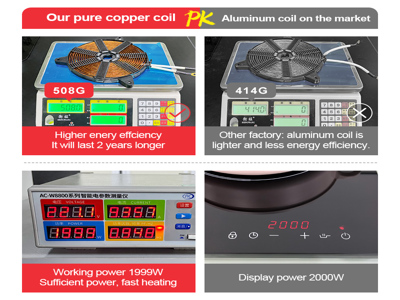
Электромагнитная индукция — это одно из самых удивительных явлений в физике, которое революционизировало нашу повседневную жизнь, особенно на кухне. Вместо традиционных методов нагрева с использованием пламени или нагревательных элементов, индукционные плиты предлагают безопасный, эффективный и современный способ приготовления пищи. В этой статье мы подробно рассмотрим, как работает этот процесс, его историю, преимущества и будущее. Мы углубимся в основы физики, обсудим практические аспекты использования индукционных плит и представим данные, подтверждающие их превосходство над другими технологиями. Эта статья предназначена для широкой аудитории, от любознательных домохозяек до студентов-физиков, и призвана просветить и вдохновить на использование инновационных решений в быту.
Электромагнитная индукция была открыта Майклом Фарадеем в 1831 году. Это явление заключается в генерации электрического тока в проводнике при изменении магнитного поля вокруг него. Фарадей провел эксперименты, демонстрирующие, что движение магнита near a coil of wire induces a current. This principle is foundational for many technologies, including transformers, electric generators, and, of course, induction cooktops. In the context of cooking, induction heating uses this principle to heat cookware directly, without heating the surface of the stove itself. This is achieved by passing an alternating current through a coil beneath the cooktop surface, creating a fluctuating magnetic field. When a ferromagnetic pot (made of materials like iron or steel) is placed on the cooktop, the magnetic field induces eddy currents within the pot, which generate heat due to electrical resistance. This heat is then transferred to the food inside the pot. The process is highly efficient because the heat is generated directly in the cookware, minimizing energy loss. Unlike gas or electric stoves, which heat the air around them, induction cooktops remain cool to the touch, except for the heat conducted from the pot. This makes them not only energy-efficient but also safer, as there is no open flame or hot surface that could cause burns. The technology has evolved significantly since its inception, with modern induction cooktops offering precise temperature control, rapid heating, and smart features. In this section, we will explore the basic physics behind electromagnetic induction, including Faraday's law and Lenz's law, which govern the induction process. We will also discuss the materials required for induction cooking, such as the importance of using compatible cookware. Understanding these fundamentals is crucial for appreciating why induction cooking is a superior method for modern kitchens.
История индукционного нагрева начинается с открытий Фарадея, но практическое применение в кулинарии появилось much later. The first induction cooktop was developed in the 1970s, with companies like Westinghouse and General Electric pioneering early models. However, these early devices were bulky, expensive, and not widely adopted due to limitations in technology and consumer awareness. It wasn't until the 1990s and 2000s that induction cooking gained popularity, thanks to advancements in electronics and materials science. The development of high-frequency power electronics allowed for more efficient and compact induction coils, making the cooktops more affordable and user-friendly. In Europe, induction cooking became mainstream earlier than in other regions, with countries like Germany and France leading the adoption. This was partly due to higher energy costs and a greater emphasis on energy efficiency. Over time, manufacturers improved the design, adding features such as touch controls, timers, and safety locks. The integration of digital technology has further enhanced the user experience, with some modern induction cooktops offering connectivity to smartphones for remote control and recipe guidance. The evolution of induction technology is a testament to human ingenuity and the continuous pursuit of better, safer, and more efficient ways to live. In this section, we will trace the key milestones in the history of induction cooking, from laboratory experiments to household appliances. We will also highlight the role of innovation and market forces in driving adoption. For instance, the push for greener technologies and reduced carbon footprints has made induction cooking an attractive option for environmentally conscious consumers. Additionally, we will discuss how cultural factors influence the adoption of new technologies, with some regions embracing change faster than others. By understanding the history, we can better appreciate the current state of induction cooking and its potential for future growth.
Принцип работы индукционной плиты основан на законах электромагнитной индукции. Внутри плиты находится медная катушка, через которую пропускается переменный ток высокой частоты, typically between 20 kHz and 100 kHz. This current creates a oscillating magnetic field. When a pot made of ferromagnetic material is placed on the cooktop, the magnetic field induces eddy currents in the bottom of the pot. These currents encounter electrical resistance in the metal, which converts the electrical energy into heat. The heat is generated directly in the pot, so the cooktop surface itself does not get hot unless heat is conducted from the pot. This direct heating method is incredibly efficient, with energy conversion rates of up to 90%, compared to around 40-50% for gas stoves and 60-70% for electric coil stoves. The efficiency comes from minimizing heat loss to the surroundings. Moreover, induction cooktops offer precise control over temperature. By adjusting the frequency and amplitude of the current, the heat output can be finely tuned, allowing for simmering, boiling, or searing with accuracy. Safety features are also integral to the design. For example, most induction cooktops have sensors that detect whether cookware is present and automatically shut off if the pot is removed. They also have child locks and overheating protection. In this section, we will delve into the technical details of how the electronics work, including the role of inverters and control circuits. We will also explain why only certain types of cookware work with induction—specifically, those with a magnetic base. Common materials include cast iron and some stainless steels, while aluminum, copper, and glass pots are not compatible unless they have a magnetic layer. We will provide tips for consumers on how to choose the right cookware and maximize the benefits of induction cooking. Additionally, we will compare the working principles with other cooking methods, highlighting the advantages in terms of speed and responsiveness. For instance, water boils faster on an induction cooktop than on gas or electric, making it a time-saver in busy kitchens.
Индукционный нагрев предлагает множество преимуществ по сравнению с традиционными методами. Во-первых, это высокая энергоэффективность. Как упоминалось ранее, до 90% энергии преобразуется в heat, reducing electricity bills and environmental impact. This is particularly important in an era of rising energy costs and climate change concerns. Secondly, safety is a major benefit. Since the cooktop surface doesn't get hot, there is a lower risk of burns, especially for households with children. The absence of open flame also eliminates the risk of gas leaks or fires. Thirdly, induction cooktops are faster and more responsive. They can heat up and cool down quickly, allowing for precise cooking control. This is ideal for techniques that require rapid temperature changes, such as stir-frying or making sauces. Fourthly, they are easier to clean. The smooth, glass-ceramic surface doesn't have crevices where food can get stuck, and spills can be wiped away easily since the surface isn't hot enough to burn them on. Fifthly, induction cooking is more comfortable. It doesn't release excess heat into the kitchen, making it cooler and more pleasant to cook in, especially in summer. Additionally, modern induction cooktops come with features like timers, power boost functions, and compatibility with smart home systems. In this section, we will expand on each of these advantages, supported by data and real-world examples. For instance, studies show that induction cooking can reduce energy consumption by up to 50% compared to gas stoves. We will also address common misconceptions, such as the belief that induction cooktops are expensive to operate—while the initial cost may be higher, the long-term savings on energy bills often offset it. Furthermore, we will discuss the health benefits, as induction cooking doesn't produce combustion byproducts like nitrogen oxides, which can be harmful indoors. By highlighting these advantages, we aim to convince readers of the value of switching to induction technology.
Чтобы fully appreciate induction cooking, it's essential to compare it with other common methods: gas, electric coil, and halogen. Gas stoves use combustion of natural gas or propane to produce a flame that heats the cookware. They offer instant control and are favored by professional chefs for their responsiveness. However, they are less efficient, with much of the heat escaping into the air, and they pose risks such as gas leaks and indoor air pollution. Electric coil stoves use resistive heating elements that glow red hot to transfer heat to the pot. They are more efficient than gas but still lose heat to the surroundings, and they are slower to heat up and cool down. Halogen cooktops use halogen lamps to generate infrared radiation for heating, but they are less common and not as efficient as induction. Induction cooktops outperform all these in terms of efficiency, safety, and speed. For example, tests show that induction cooktops can boil water in about half the time of gas stoves. They also provide more precise temperature control, which is crucial for delicate cooking tasks. In terms of cost, induction cooktops have a higher upfront price but lower operating costs over time. Environmental impact is another key factor; induction cooking produces no direct emissions, whereas gas stoves contribute to greenhouse gas emissions. In this section, we will present a detailed comparison table and discuss scenarios where one method might be preferred over another. For instance, in areas with unreliable electricity, gas might be more practical, but for urban homes with stable power, induction is ideal. We will also consider cultural preferences; in some regions, the tradition of cooking with flame is deeply ingrained, but education and demonstration can help overcome resistance to change. By providing a balanced view, we help readers make informed decisions based on their needs and circumstances.
Будущее индукционных технологий выглядит ярким, с ongoing innovations that promise to make them even more integrated into smart homes and sustainable living. One trend is the development of wireless induction charging for cookware, though this is still in experimental stages. Another area of advancement is in materials science, with research into new composites that could make induction compatible with a wider range of cookware, including non-magnetic materials. Additionally, AI and IoT integration are becoming more common; imagine a cooktop that suggests recipes based on the ingredients you have and adjusts the heat automatically. Energy efficiency will continue to improve, with technologies like variable frequency drives that optimize power usage based on the cookware's properties. There is also growing interest in portable induction cooktops for camping or small kitchens, making the technology more accessible. In the context of global sustainability goals, induction cooking aligns well with the shift towards electrification and renewable energy sources. As more homes adopt solar power or other green energy, induction cooktops can be powered cleanly. Moreover, governments and organizations are promoting induction through incentives and regulations, such as bans on new gas connections in some cities to reduce carbon emissions. In this section, we will explore these future trends in depth, citing examples from industry leaders and research institutions. We will also discuss potential challenges, such as the need for infrastructure upgrades in older homes to support high-power appliances. By looking ahead, we inspire readers to think about how induction technology can evolve and how they can be part of this exciting journey. The ultimate goal is to create kitchens that are not only functional but also harmonious with environmental stewardship and modern lifestyles.
В заключение, электромагнитная индукция представляет собой революционный способ нагрева пищи, offering unparalleled efficiency, safety, and convenience. From its scientific foundations to its practical applications, induction cooking has proven to be a superior alternative to traditional methods. As we move towards a more energy-conscious and technologically advanced future, adopting induction technology is a smart choice for households worldwide. We encourage readers to consider making the switch and experience the benefits firsthand.