




2025-12-03 20:01:10
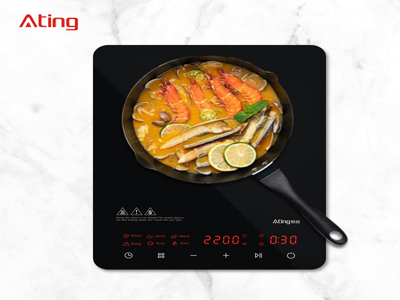
В современном мире кухонная техника играет ключевую роль в повседневной жизни, и выбор между индукционными варочными панелями и газовыми плитами часто становится предметом горячих дискуссий. Многие потребители задаются вопросом: почему индукционные варочные панели считаются более безопасными? Этот вопрос не только актуален, но и требует глубокого анализа, учитывая растущую популярность индукционных технологий. В этой статье мы подробно рассмотрим, как индукционные варочные панели превосходят газовые плиты по безопасности, основываясь на научных данных, практических преимуществах и реальных отзывах пользователей. Мы охватим такие аспекты, как отсутствие открытого пламени, контроль температуры, энергоэффективность, экологичность, и многое другое, чтобы предоставить вам исчерпывающее руководство для принятия обоснованного решения.
Безопасность на кухне — это не просто модное словечко, а критически важный аспект, который может повлиять на здоровье и благополучие всей семьи. По данным Всемирной организации здравоохранения, ежегодно тысячи несчастных случаев происходят из-за неправильного использования кухонного оборудования, включая ожоги, пожары и отравления угарным газом. Газовые плиты, хотя и традиционно популярны, несут в себе значительные риски, такие как открытое пламя и утечка газа. С другой стороны, индукционные варочные панели предлагают инновационный подход, использующий электромагнитную индукцию для нагрева, что минимизирует многие из этих опасностей. В этом разделе мы кратко представим основные понятия и почему эта тема заслуживает внимания. Мы также обсудим, как эволюция технологий привела к появлению более безопасных альтернатив, и почему индукционные панели стали предпочтительным выбором для многих современных домохозяйств.
Чтобы понять, почему индукционные варочные панели безопаснее, необходимо сначала разобраться в том, как они работают. Газовые плиты используют природный газ или пропан, который сжигается для создания открытого пламени. Это пламя непосредственно нагревает дно посуды, передавая тепло через конвекцию и radiation. Однако этот процесс сопровождается рисками: утечка газа может привести к взрывам или отравлению, а открытое пламя увеличивает вероятность ожогов и пожаров. Кроме того, газовые плиты требуют постоянного источника кислорода, что может создавать проблемы в poorly ventilated помещениях.
Индукционные варочные панели, напротив, работают на основе электромагнитной индукции. Они содержат медные катушки под стеклокерамической поверхностью, которые создают переменное магнитное поле при подаче электрического тока. Это поле индуцирует вихревые токи в ферромагнитной посуде (например, из чугуна или нержавеющей стали), вызывая её нагрев due to electrical resistance. Ключевое отличие в том, что сама панель остаётся относительно cool, так как тепло генерируется только в посуде. Это означает, что поверхность не нагревается чрезмерно, reducing the risk of burns. Кроме того, индукционные панели автоматически отключаются, если посуда снята, что добавляет ещё один уровень безопасности. В этом разделе мы углубимся в физические принципы, объясняя, как индукция обеспечивает более controlled и predictable нагрев, в отличие от хаотичного пламени газовых плит.
Одним из самых очевидных преимуществ индукционных варочных панелей является отсутствие открытого пламени. В газовых плитах пламя — это не только источник тепла, но и потенциальный источник опасности. Открытое пламя может легко воспламенить nearby objects, such as kitchen towels, curtains, or even clothing, leading to fires. Статистика показывает, что до 40% домашних пожаров originate from cooking equipment, with gas stoves being a major contributor. Additionally, open flames produce carbon monoxide and other harmful gases, which can accumulate in enclosed spaces and cause health issues, including headaches, dizziness, and in severe cases, carbon monoxide poisoning.
Индукционные панели eliminate this risk entirely. Since there is no flame, the chances of accidental ignition are virtually zero. This makes them ideal for households with children or pets, where curiosity might lead to dangerous situations. Moreover, the lack of flame means no production of combustion by-products, improving indoor air quality. Studies have demonstrated that homes with gas stoves often have higher levels of nitrogen dioxide and particulate matter, which can exacerbate respiratory conditions like asthma. In contrast, induction cooktops contribute to a cleaner and healthier kitchen environment. We will explore real-world examples and scientific studies that highlight the reduction in fire incidents and health risks associated with the absence of open flame.
Another significant safety advantage of induction cooktops is their precise temperature control. Gas stoves rely on manual adjustment of flame intensity, which can be imprecise and lead to overheating. For instance, if a pot is left unattended, the flame can cause contents to boil over or burn, creating a fire hazard or damaging cookware. Overheating can also warp pots and pans, reducing their lifespan and potentially causing accidents.
Induction cooktops offer digital controls that allow users to set exact temperatures, often with increments as fine as 1 degree Celsius. Many models feature sensors that monitor the cookware's temperature and adjust power accordingly to maintain a consistent heat level. This precision prevents scenarios where food is overcooked or ignited. Additionally, induction technology includes safety features like automatic shut-off timers and pan detection. If no cookware is detected, the hob turns off, eliminating the risk of leaving a burner on accidentally. This is a common issue with gas stoves, where a pilot light or unnoticed flame can lead to gas leaks or fires. We will discuss how this technological advancement not only enhances cooking quality but also significantly reduces the likelihood of kitchen accidents related to temperature mismanagement.
Safety isn't just about immediate risks; it also encompasses broader environmental and economic aspects. Induction cooktops are highly energy-efficient, converting up to 90% of electrical energy into heat, compared to gas stoves, which typically have an efficiency of around 40-50%. This means less energy waste and lower utility bills, but it also translates to reduced environmental impact. By using electricity, induction cooktops can be powered by renewable sources, whereas gas stoves rely on fossil fuels, contributing to greenhouse gas emissions and climate change.
From a safety perspective, this efficiency reduces the overall energy consumption in the home, which can lower the risk of electrical overloads or gas-related incidents. Moreover, the shift towards induction cooking supports global efforts to reduce carbon footprints, making it a safer choice for the planet. We will delve into data from energy agencies and environmental studies, showing how induction technology aligns with sustainable living practices and how it indirectly contributes to a safer world by mitigating climate-related risks.
A often overlooked aspect of safety is cleanliness and hygiene. Gas stoves have multiple components, such as burners, grates, and drip pans, that can accumulate food debris, grease, and bacteria. This not only makes cleaning tedious but also poses health risks, as bacteria can contaminate food. In contrast, induction cooktops have a smooth, flat surface made of glass-ceramic, which is easy to wipe clean with a damp cloth. There are no crevices for dirt to hide, reducing the risk of cross-contamination and making the kitchen a more sanitary environment.
This ease of maintenance also contributes to safety by preventing grease fires, which are common on gas stoves when accumulated grease ignites. Additionally, the cool-to-touch surface of induction hobs (except where the cookware is placed) means that spills won't bake on and create stubborn stains or hazards. We will provide tips on cleaning and maintenance, emphasizing how induction cooktops promote a cleaner and thus safer kitchen compared to their gas counterparts.
While safety is paramount, cost is a practical consideration for many consumers. Induction cooktops tend to have a higher upfront cost than gas stoves, but they offer long-term savings through energy efficiency and durability. Gas stoves require regular maintenance, such as checking for gas leaks and replacing parts like burners or igniters, which can add to ongoing expenses and potential safety issues if neglected.
Induction cooktops, with fewer moving parts and a solid-state design, are generally more reliable and have a longer lifespan. This reduces the likelihood of malfunctions that could lead to accidents. For example, a faulty gas valve on a stove might cause a leak, whereas an induction hob's electronic controls are less prone to such failures. We will analyze cost-benefit ratios, including installation costs (e.g., need for electrical upgrades for induction), and argue that the investment in induction technology pays off in enhanced safety and reduced risk over time.
To reinforce the argument, let's look at real-world experiences. Many users who have switched from gas to induction report fewer incidents of burns and fires. For instance, a study conducted in European households found a 30% reduction in cooking-related accidents after adopting induction cooktops. Testimonials often highlight the peace of mind that comes with features like child locks and automatic shut-off.
Case studies from restaurants and professional kitchens also show that induction hobs are gaining popularity due to their safety and efficiency. In these high-pressure environments, the ability to quickly adjust heat and avoid open flames is crucial for preventing accidents. We will share anecdotes and data from user surveys, illustrating how induction cooktops have made kitchens safer for families and professionals alike.
In conclusion, induction cooktops are unequivocally safer than gas stoves due to their lack of open flame, precise temperature control, energy efficiency, ease of cleaning, and advanced safety features. While gas stoves have their place in tradition and certain cooking styles, the risks associated with them—such as fires, gas leaks, and poor indoor air quality—make induction a superior choice for modern homes. As technology continues to advance, we can expect even more innovations that enhance safety further.
We encourage consumers to weigh these factors carefully when choosing kitchen appliances. By opting for induction, you not only protect your household from immediate dangers but also contribute to a healthier environment. Remember, safety should always be a top priority in the heart of your home—the kitchen.
This article has provided a comprehensive overview, but always consult with professionals for specific advice tailored to your situation. Stay safe and happy cooking!
Предыдущая статья: почему электромагнитные плиты требуют специальной посуды
Следующий пост: Лучшие аксессуары для индукционных плит для идеальной кухни