




2025-12-04 00:01:10
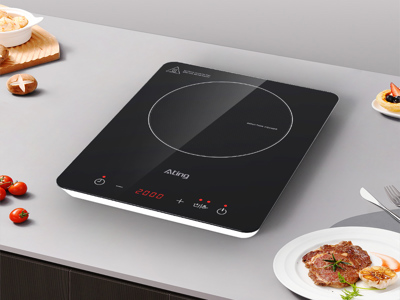
В современной кухне технологии постоянно эволюционируют, предлагая более эффективные и безопасные решения для приготовления пищи. Одним из таких инновационных устройств является электромагнитная плита, также известная как индукционная плита. Однако, несмотря на ее многочисленные преимущества, такие как быстрый нагрев и энергоэффективность, пользователи часто сталкиваются с необходимостью использования специальной посуды. Почему это так? В этой статье мы глубоко погрузимся в причины, объясняющие, почему электромагнитные плиты требуют специальной посуды, и рассмотрим все аспекты этого вопроса, от принципа работы до практических советов по выбору.
Электромагнитные плиты, или индукционные плиты, представляют собой тип кухонной техники, который использует электромагнитную индукцию для нагрева посуды. В отличие от традиционных газовых или электрических плит, которые нагревают поверхность плиты, а затем передают тепло посуде, индукционные плиты генерируют переменное магнитное поле, которое индуцирует вихревые токи в дне посуды. Эти токи вызывают нагрев самой посуды, а не поверхности плиты. Это делает процесс более эффективным и безопасным, так как поверхность плиты остается относительно прохладной на ощупь.
История индукционных плит восходит к началу 20 века, но массовое распространение они получили лишь в последние десятилетия благодаря advancements в электронике и материалах. Сегодня они популярны в домашних и профессиональных кухнях по всему миру, предлагая прецизионный контроль температуры и reduced energy consumption.
Однако, ключевым ограничением этой технологии является требование к посуде. Не всякая посуда подходит для использования на индукционных плитах. Это связано с тем, что для индукционного нагрева необходимо, чтобы дно посуды было изготовлено из ферромагнитного материала, такого как чугун или нержавеющая сталь с магнитными свойствами. Посуда из других материалов, например, алюминиевая, медная, или стеклянная, не будет нагреваться на индукционной плите, если не имеет специального магнитного слоя.
В этой статье мы подробно разберем, почему это требование существует, и как оно влияет на пользовательский опыт. Мы также обсудим преимущества и недостатки использования специальной посуды, и дадим практические рекомендации для выбора подходящей утвари.
Чтобы понять, почему электромагнитные плиты требуют специальной посуды, необходимо сначала разобраться в их принципе работы. Индукционные плиты основаны на явлении электромагнитной индукции, открытом Майклом Фарадеем в 1831 году. Этот принцип заключается в том, что изменяющееся магнитное поле индуцирует электрический ток в проводнике.
В индукционной плите под стеклокерамической поверхностью расположена катушка из меди, через которую пропускается переменный электрический ток высокой частоты (обычно от 20 кГц до 100 кГц). Этот ток создает переменное магнитное поле. Когда на поверхность плиты помещается посуда с ферромагнитным дном, магнитное поле проникает в дно посуды и индуцирует в нем вихревые токи (также известные как токи Фуко).
Вихревые токи встречают сопротивление в материале посуды, что приводит к выделению тепла due to Joule heating. Таким образом, нагревается непосредственно дно посуды, а не поверхность плиты. Это делает процесс очень efficient, так как энергия передается directly to the cookware with minimal loss.
Ключевым моментом здесь является то, что для индукции вихревых токов материал посуды должен быть электропроводящим и иметь высокую магнитную проницаемость. Ферромагнитные материалы, такие как железо и некоторые виды стали, идеально подходят, потому что они обладают these properties. Немагнитные материалы, like aluminum or copper, although conductive, have low magnetic permeability and do not interact effectively with the magnetic field, resulting in no or insufficient heating.
This is why special cookware is required: only pots and pans made from or coated with ferromagnetic materials can work with induction hobs. Without such cookware, the magnetic field cannot induce enough current to generate heat, making the stove ineffective.
Moreover, the design of the cookware also matters. The bottom should be flat and thick to ensure good contact with the hob surface and even heat distribution. Uneven or thin bottoms can lead to inefficient heating and potential damage.
In summary, the requirement for special cookware is inherent to the physics of electromagnetic induction. It is not a limitation but a necessary condition for the technology to function properly and efficiently.
Хотя необходимость в специальной посуде может показаться недостатком, на самом деле она приносит множество преимуществ. Во-первых, индукционные плиты с совместимой посудой offer unparalleled energy efficiency. Since heat is generated directly in the cookware, there is minimal energy loss compared to traditional stoves where heat is lost to the surrounding air or the stove surface. Studies show that induction cooking can be up to 90% efficient, whereas gas stoves are around 40-55% efficient, and electric coil stoves about 65-70%.
This efficiency translates to faster cooking times. Water boils significantly quicker on an induction hob with suitable cookware – often in half the time compared to gas or electric. This not only saves time but also reduces electricity consumption, making it an eco-friendly choice.
Secondly, safety is a major advantage. Because the hob surface doesn't get hot (it only warms up from residual heat from the cookware), there is a lower risk of burns or fires. This is particularly beneficial in households with children or pets. Additionally, many induction hobs have features like automatic shut-off when no cookware is detected, further enhancing safety.
Thirdly, precision control is exceptional. Induction hobs allow for instant adjustments in temperature, similar to gas stoves, but with more accuracy. This is ideal for delicate tasks like melting chocolate or simmering sauces. The special cookware ensures that heat is distributed evenly, preventing hot spots and improving cooking results.
Furthermore, using dedicated induction-compatible cookware often means investing in higher quality items. Many such pots and pans are made from durable materials like stainless steel or cast iron, which are known for their longevity and even heating properties. Over time, this can lead to cost savings as you replace cookware less frequently.
Lastly, cleaning is easier. Since the hob surface stays cool, spills are less likely to burn onto it, making wipe-downs quick and simple. This convenience adds to the overall user experience.
In essence, the requirement for special cookware is a trade-off that brings significant benefits in efficiency, safety, control, and durability, making induction cooking a superior choice for many.
Not all cookware is created equal when it comes to induction compatibility. To work with an electromagnetic stove, the cookware must have a base made from a ferromagnetic material. Here are the common types of compatible cookware:
- Чугунная посуда: Cast iron is naturally ferromagnetic and works excellently with induction hobs. It retains heat well and is durable, but it can be heavy and require seasoning to prevent rust.
- Нержавеющая сталь с магнитными свойствами: Not all stainless steel is magnetic. Only grades that contain iron and have a magnetic base, such as 18/10 or 400 series, are suitable. Many high-quality stainless steel pots and pans are designed for induction use.
- Эмалированная чугунная посуда: Like plain cast iron, enameled cast iron (e.g., Le Creuset) is induction-compatible as long as the base is exposed cast iron.
- Посуда с индукционным диском: Some cookware made from non-magnetic materials like aluminum or copper has a layer of ferromagnetic material (e.g., stainless steel) bonded to the bottom. This allows it to work on induction hobs. Look for labels like "induction ready" or a symbol of a coil with a line through it.
- Углеродистая сталь: Similar to cast iron, carbon steel is magnetic and suitable for induction cooking. It's lighter than cast iron and heats up quickly.
On the other hand, cookware to avoid includes pure aluminum, copper, glass, ceramic (unless specified), and any pot with a rounded or warped bottom. To test if your existing cookware is compatible, you can use a magnet: if it sticks firmly to the bottom, it should work on an induction hob.
Investing in the right type of cookware ensures optimal performance and extends the life of both the stove and the utensils. Many manufacturers now clearly mark induction compatibility on their products, making selection easier for consumers.
Despite the advantages, there are some drawbacks to using special cookware with electromagnetic stoves. The most obvious is the cost. Induction-compatible cookware can be more expensive than regular pots and pans, especially if you need to replace your entire set. High-quality items from brands like All-Clad or Demeyere can be a significant investment.
Additionally, not all existing cookware will work, which might require users to discard otherwise functional items. This can be wasteful and inconvenient, particularly for those who have collected cookware over years.
Another limitation is that the cookware must have a flat and smooth bottom to ensure proper contact with the hob. Warped or uneven bottoms can cause inefficient heating, noise (due to vibration), or even damage to the glass surface. This means that older or lower-quality cookware might not be suitable even if it is magnetic.
There are also size constraints. Induction hobs have specific cooking zones, and using cookware that is too small or too large for the zone can reduce efficiency or trigger error codes on the stove. For example, a very small pot might not be detected by the hob's sensors.
Noise can be an issue with some induction cookware. The magnetic field can cause humming or buzzing sounds, especially at high power settings. This is usually due to vibrations between the cookware and the hob, and while it's generally not loud, it can be annoying to some users.
Finally, there is a learning curve. Users accustomed to gas or electric stoves might need time to adapt to the instant response and precise control of induction cooking. However, this is minor compared to the benefits.
Overall, these limitations are manageable and often outweighed by the positives, but they are important to consider when switching to an induction stove.
To make the most of your electromagnetic stove, follow these tips for selecting and using cookware:
- Check for compatibility: Always verify that the cookware is labeled as induction-compatible or test it with a magnet. The magnet should stick strongly to the base.
- Choose the right size: Select pots and pans that match the size of the cooking zones on your hob. This ensures efficient energy transfer and prevents issues like uneven heating.
- Opt for flat bottoms: Ensure the bottom is perfectly flat and thick to promote even heat distribution and avoid damage to the hob surface.
- Invest in quality: High-quality induction cookware, such as multi-ply stainless steel or cast iron, will perform better and last longer. It might cost more upfront but save money in the long run.
- Handle with care: Although the hob surface doesn't get hot, the cookware does. Use oven mitts when handling, and avoid sliding pots across the glass to prevent scratches.
- Clean properly Keep the hob and cookware bottoms clean. Residue on the bottom can reduce efficiency and cause overheating.
- Experiment with settings: Induction hobs offer precise control. Start with lower settings to avoid burning food, and adjust as needed.
- Consider adapters: If you have a favorite non-induction pot, you can use an induction interface disk (a metal plate that heats up and transfers heat to the pot). However, this reduces efficiency and is not ideal for regular use.
By following these guidelines, you can enjoy all the benefits of induction cooking without frustration.
The technology behind electromagnetic stoves and compatible cookware continues to evolve. Future trends may include:
- Умная посуда: Integration with IoT devices, allowing cookware to communicate with the hob for automated cooking programs and temperature control.
- Улучшенные материалы: Development of new alloys or coatings that enhance magnetic properties and heat distribution, making cookware more efficient and affordable.
- Универсальная совместимость: Research into ways to make induction hobs work with a wider range of materials, reducing the need for special cookware.
- Энергоэффективность: Advancements in electronics could make induction cooking even more energy-efficient, with better power management and reduced standby consumption.
- Дизайн и эстетика: More stylish and versatile cookware designs that cater to modern kitchens while maintaining functionality.
These innovations will likely make induction cooking more accessible and appealing to a broader audience, further solidifying its place as a leading kitchen technology.
В заключение, требование электромагнитных плит к специальной посуде обусловлено fundamental principles of electromagnetic induction. Это не недостаток, а особенность, которая enables superior efficiency, safety, and control. Хотя initially it may involve additional cost and effort, the long-term benefits make it a worthwhile investment. By understanding the why and how, users can fully leverage the potential of induction cooking and enjoy a better culinary experience. As technology advances, we can expect even greater compatibility and innovation, making electromagnetic stoves an integral part of the modern kitchen.
Спасибо за чтение! Надеемся, эта статья помогла вам разобраться в теме.
Предыдущая статья: Лучшие методы проверки электроплит для идеальной готовки
Следующий пост: Почему индукционные варочные панели считаются более безопасными чем газовые плиты